Tattoo Aftercare: How to Care for a New Tattoo
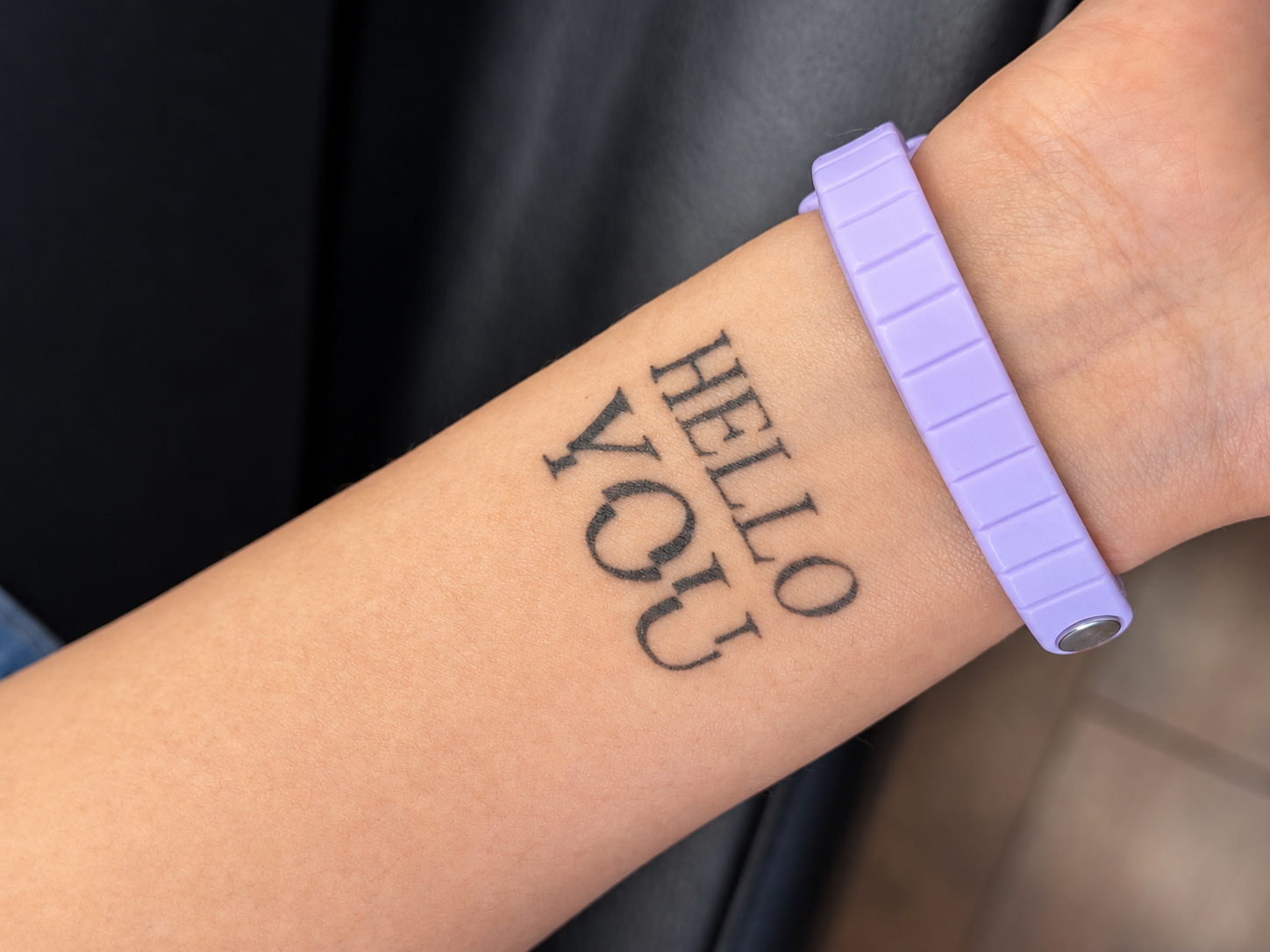
FULLY HEALED TATTOO
Keep your new tattoo clean, lightly moisturized, protected from friction, and out of the sun while it heals.
Follow this tattoo aftercare guide for second skin removal, cleaning, moisturizing and the healing process.
Questions?
You have an open line with us during healing.
-
Keep the adhesive film on for 3 days, unless it starts leaking, the seal breaks, or you develop significant irritation.
A small amount of plasma, ink or blood trapped underneath is normal and can make the tattoo look blurry or watery.
While wearing it:
shower normally, but do not soak it;
avoid pools, baths, hot tubs and ocean water;
avoid heavy sweating and friction;
do not puncture or drain fluid pockets;
do not peel or lift the edges.
After 3 Days
Wash your hands, then remove the film slowly under lukewarm running water, pulling it gently along the skin rather than straight upward.
Wash the tattoo with a mild, fragrance-free tattoo cleanser, pat dry with a clean paper towel, and begin applying a very thin layer of fragrance-free tattoo moisturizer or serum when the skin feels dry.
After the Film Comes Off
Wash with lukewarm water and a mild fragrance-free tattoo cleanser.
Pat dry. Do not scrub.
Apply a very thin layer of fragrance-free tattoo moisturizer or serum when the skin feels dry.
-
Days 1–3: mild redness, tenderness, warmth or light swelling.
Days 4–14: itching, peeling and light flaking.
Weeks 2–4: the tattoo may look slightly dull or cloudy while the skin finishes settling.
Do not judge the final result while it is still peeling.
-
Until fully healed:
swimming, baths and hot tubs;
direct sun and tanning;
scratching or peeling;
tight clothing and friction;
shaving over the tattoo;
exfoliating acids or retinoids;
heavy products or thick layers of ointment.
-
Fine line tattoos have delicate details, so friction, picking and excessive irritation can affect how crisp they heal.
A little softening or fading can happen as the skin heals.
If your tattoo qualifies for touch-up coverage, check the Terms & Conditions for the coverage period.
-
Color tattoos generally heal through the same stages, but heavily saturated areas may feel more tender and take longer to settle.
If your tattoo qualifies for touch-up coverage, check the Terms & Conditions for the coverage period.
-
Hand and finger tattoos: Frequent washing, movement and friction can increase fading.
Foot and ankle tattoos: Shoes, sweat and pressure can irritate the area while it heals.
Knee and elbow tattoos: Constant movement and bending can make healing more challenging.
Waistline and bra-line tattoos: Avoid tight clothing that rubs against the tattoo during healing.
-
Once healed:
moisturize when needed;
use SPF 30+;
limit prolonged sun exposure.
-
Some redness, tenderness, mild swelling, itching and light flaking can be normal during tattoo healing, especially during the first few days.
Contact us if:
you’re unsure if your tattoo is healing normally;
you have questions about tattoo aftercare or your second skin;
you notice unusual irritation, excessive fading or changes during healing.
We’re happy to help you understand what may be part of the normal tattoo healing process.
Seek medical care if you experience:
redness, swelling or pain that continues to get worse;
pus or thick yellow or green discharge;
red streaks spreading away from the tattoo;
fever, chills or feeling unwell;
severe swelling, hives, difficulty breathing or signs of a serious allergic reaction.
If symptoms are severe or rapidly worsening, seek medical attention promptly rather than waiting for a response from the studio.